Potica: Slovenia’s Rolled Holiday Cake, Explained
by Darja · Published Sep 10, 2026 · 6 min read
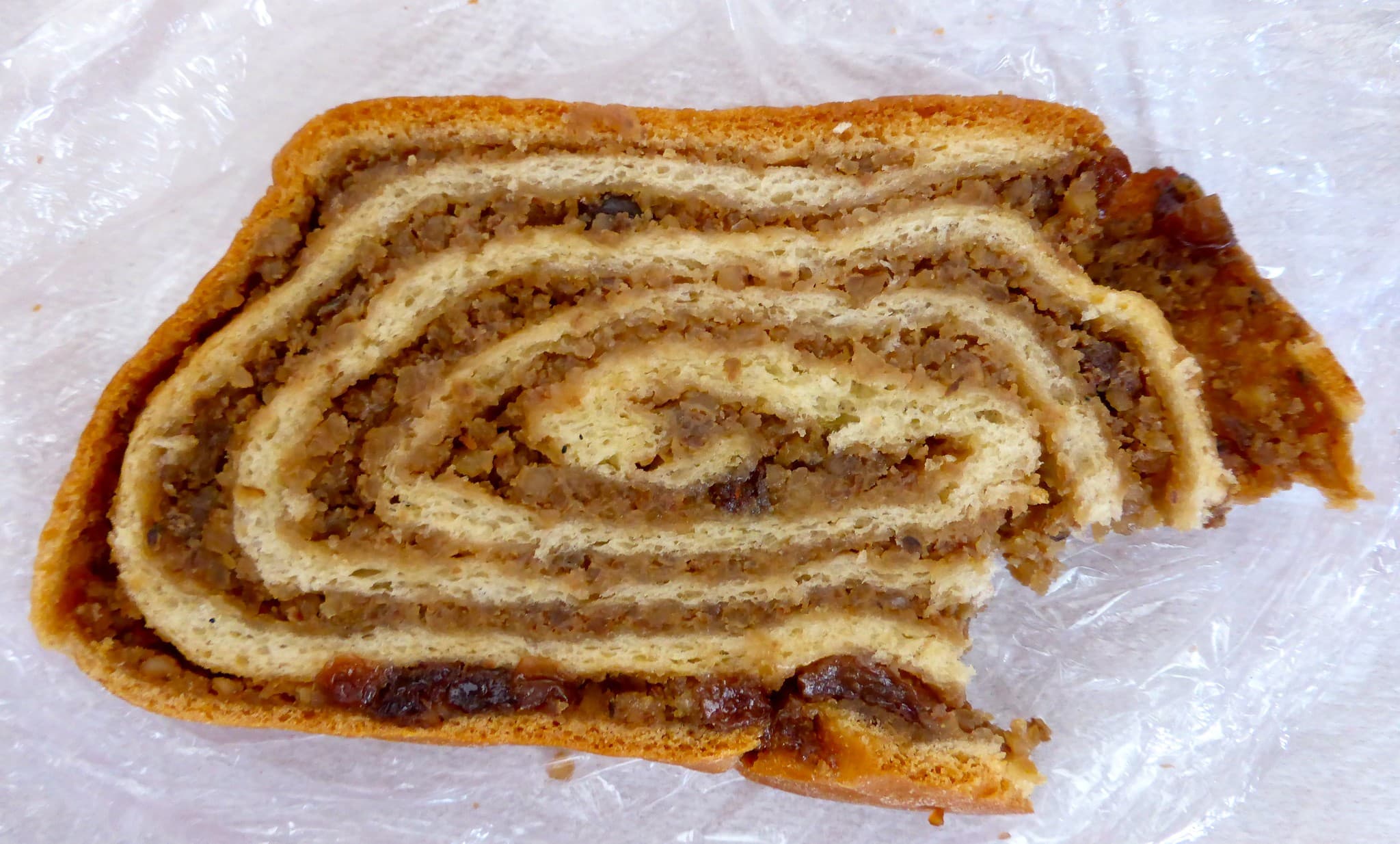
Quick answer: Potica is Slovenia’s traditional rolled cake — a yeast dough spread with filling, rolled into a spiral and baked in a distinctive ring-shaped mould called a potičnik. Walnut is the classic filling, though tarragon is the one Slovenians argue about. Since April 2021, “Slovenska potica” has been protected EU-wide as a Traditional Speciality Guaranteed.
Every culture with a rolling pin and a nut harvest has invented some version of a rolled sweet bread, but potica is the one Slovenia built its own protected name around, and the one that shows up at almost every major family occasion in the country.
It belongs among the country’s traditional Slovenian dishes, and unlike most of the others it isn’t tied to a single town or region — it is genuinely nationwide, baked at home by grandmothers and sold in bakeries from Ljubljana to the coast, most of all around Christmas and Easter.
What Exactly Is Potica?
The name comes from poviti, an old Slovene verb meaning to wrap or swaddle — a reference to how the dough is rolled around its filling, not to the filling itself. The oldest written form, “povitica,” appears in the writing of the Protestant reformer Primož Trubar in 1575 and 1577, and the polymath Janez Vajkard Valvasor described a honey-and-walnut version in his 1689 survey The Glory of the Duchy of Carniola.
Structurally, potica is a single log: one sheet of yeast dough, spread with one filling, rolled into a spiral and baked upright in a ring mould so the spiral shows in cross-section when it’s sliced. That is what separates it from prekmurska gibanica, which is built the opposite way — four different fillings stacked flat between sheets of dough rather than one filling rolled through a single sheet.
Where It Comes From
Potica has no single home region the way gibanica has Prekmurje or the cream cake has Bled — it developed across Slovenian farmhouse kitchens as a special-occasion bake, reserved for Christmas, Easter, weddings and christenings because of how much time it takes to make properly.
Protection arrived in the opposite order to most Slovenian foods: the European Commission registered “Slovenska potica” as a Traditional Speciality Guaranteed on 21 April 2021, and Slovenia added it to its own national register of intangible cultural heritage that December. The TSG specification is narrower than home tradition suggests — it recognises only five fillings under the protected name: walnut, walnut with raisin, raisin, tarragon, and tarragon with cottage cheese. It also requires the traditional potičnik mould, a bottom diameter of at least 14 cm, and a minimum of three to four turns of dough and filling in the spiral.
Everything else — poppy seed, hazelnut, honey, chocolate, and dozens of other home variations people genuinely bake — is real potica in every kitchen sense. It just isn’t covered by the registered name.
Fillings Compared
| Filling | Flavour note | Covered by the TSG name |
|---|---|---|
| Walnut | Rich, slightly bitter, the everyday default | Yes |
| Walnut with raisin | Same base, sweeter and fruitier | Yes |
| Raisin | Light, fruity, less common on its own | Yes |
| Tarragon | Herbal, sharp, an acquired taste | Yes |
| Tarragon with cottage cheese | Herbal and tangy together | Yes |
| Poppy seed | Earthy, nutty, a common bakery variation | No |
Walnut is the one to start with — it’s what most bakeries default to and what most families grew up on. Tarragon potica is the more interesting order once you’ve tried the classic: it divides opinion sharply, herbal rather than sweet, and worth trying once so you can decide which side you’re on.
Potica Recipe
This is the classic walnut version, scaled for one large potičnik or bundt-style ring mould (around 2.5 litres). It is a slow bake — the dough needs two rises — but none of the steps are difficult on their own.
- Prep time45 min
- Rise time2-3 hrs (two rises)
- Bake time45-55 min
- Yield1 loaf, about 14 slices
Ingredients
- 500 g plain flour
- 200 ml lukewarm milk
- 21 g fresh yeast (or 7 g dried)
- 80 g sugar
- 80 g butter, melted
- 3 egg yolks
- 1/2 tsp salt
- 250 g walnuts, finely ground
- 100 g honey
- 80 g sugar (for the filling)
- 100 ml milk or cream
- 2 egg whites
- 1 egg, beaten, for the wash
Method
- Warm the milk, stir in the yeast and a pinch of the sugar, and leave until foamy, about 10 minutes.
- Mix the flour, remaining sugar and salt. Add the yeast mixture, melted butter and egg yolks, and knead into a smooth, slightly sticky dough. Cover and let rise until doubled, about 1.5 hours.
- For the filling, warm the honey, sugar and milk together until the sugar dissolves, then stir into the ground walnuts. Whisk the egg whites to soft peaks and fold them in — this is what keeps the filling from drying out during baking.
- Roll the dough out into a large, thin rectangle. Spread the walnut filling evenly, leaving a small border, and roll it up tightly from the long edge into a log.
- Curl the log into the greased potičnik or bundt mould, pinching the ends together. Cover and let rise again until puffy, about 45 minutes.
- Brush with the beaten egg. Bake at 180°C (355°F) for 45–55 minutes, covering loosely with foil if it browns too fast. Cool in the tin for 15 minutes before turning out, and cool fully before slicing.
Want to taste it before you bake it?
Bakeries across Slovenia sell it fresh year-round, especially around Christmas and Easter.
Where to Try It in Slovenia
Potica is genuinely nationwide — bakeries and supermarkets across the country sell it year-round, with the widest selection appearing in the run-up to Christmas and Easter. Farmers’ markets and small local bakeries are usually the better bet over supermarket shelves, where the filling-to-dough ratio tends to shrink and the butter often gets replaced with margarine.
Restaurants and gostilne sometimes serve a thin slice alongside coffee as a simple dessert, but the best versions are still the home-baked ones — potica remains one of the few Slovenian dishes people are more likely to be given than to buy.
Frequently Asked Questions
What is potica made of?
A yeast dough rolled around a filling and baked in a ring-shaped mould called a potičnik. Walnut is the classic filling, alongside walnut with raisin, raisin, tarragon, and tarragon with cottage cheese.
Is potica protected by the EU?
Yes. “Slovenska potica” has been registered as a Traditional Speciality Guaranteed since 21 April 2021, though the protected name covers only five specific fillings. Other popular fillings like poppy seed or chocolate are common but fall outside the registered specification.
What is the difference between potica and prekmurska gibanica?
Potica is one filling rolled through a single sheet of dough into a spiral. Prekmurska gibanica is four different fillings stacked flat between sheets of dough into a square. They share a family resemblance but are built in opposite ways.
When is potica traditionally eaten?
At Christmas and Easter above all, plus weddings and christenings. It takes long enough to make that it has stayed a special-occasion bake rather than an everyday one.
What is tarragon potica, and is it worth trying?
A herbal variation made with tarragon instead of nuts, often mixed with cottage cheese. It has a sharper, less sweet flavour than the walnut version and divides opinion among Slovenians themselves — worth trying once you’ve had the classic, so you can decide which side you’re on.
More Slovenian food worth ordering: read about prekmurska gibanica, Slovenia’s other EU-protected pastry, or the Bled cream cake for a very different kind of famous. Browse every guide in Slovenian traditional dishes, or start planning the wider trip at Tips in Slovenia.

Darja
Writes destination guides for Tips in Slovenia, covering the country's cities, hidden gems and day trips.
Related guides
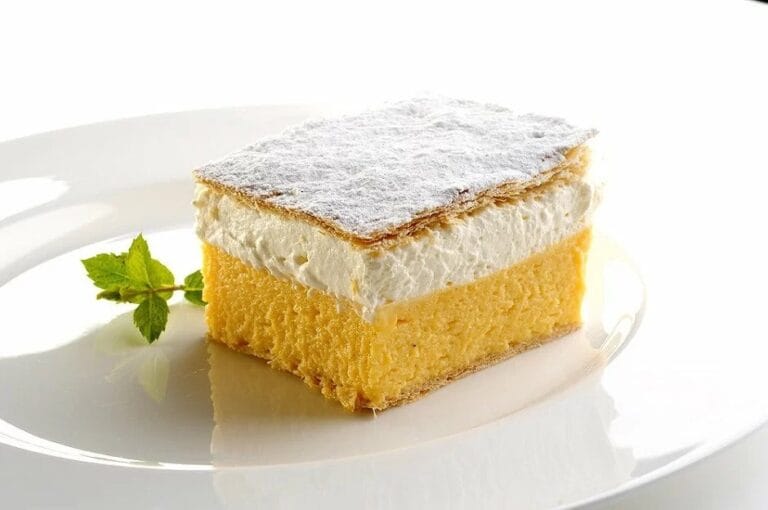 Slovenian Traditional Dishes · 19 Aug 2026Bled Cream Cake (Kremšnita): The Story Behind Slovenia’s Most Famous DessertSlovenia's most famous dessert: who invented it in 1953, what the four layers are, and where to eat…
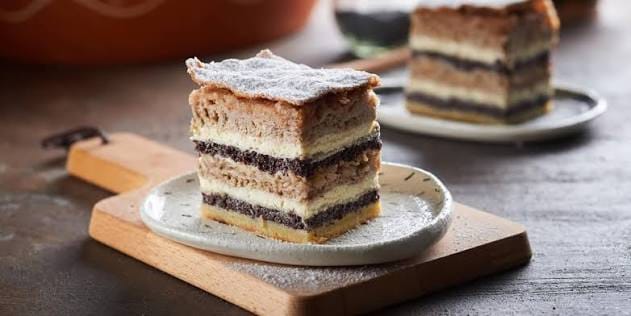 Slovenian Traditional Dishes · 18 Aug 2026Prekmurska Gibanica: Slovenia’s Protected Layered Pastry, ExplainedSlovenia's only EU-protected pastry: what the four layers are, how it is made, and where to eat the…
Newsletter
Don't miss anything new
One new Slovenia guide in your inbox every couple of weeks. No spam, unsubscribe any time.