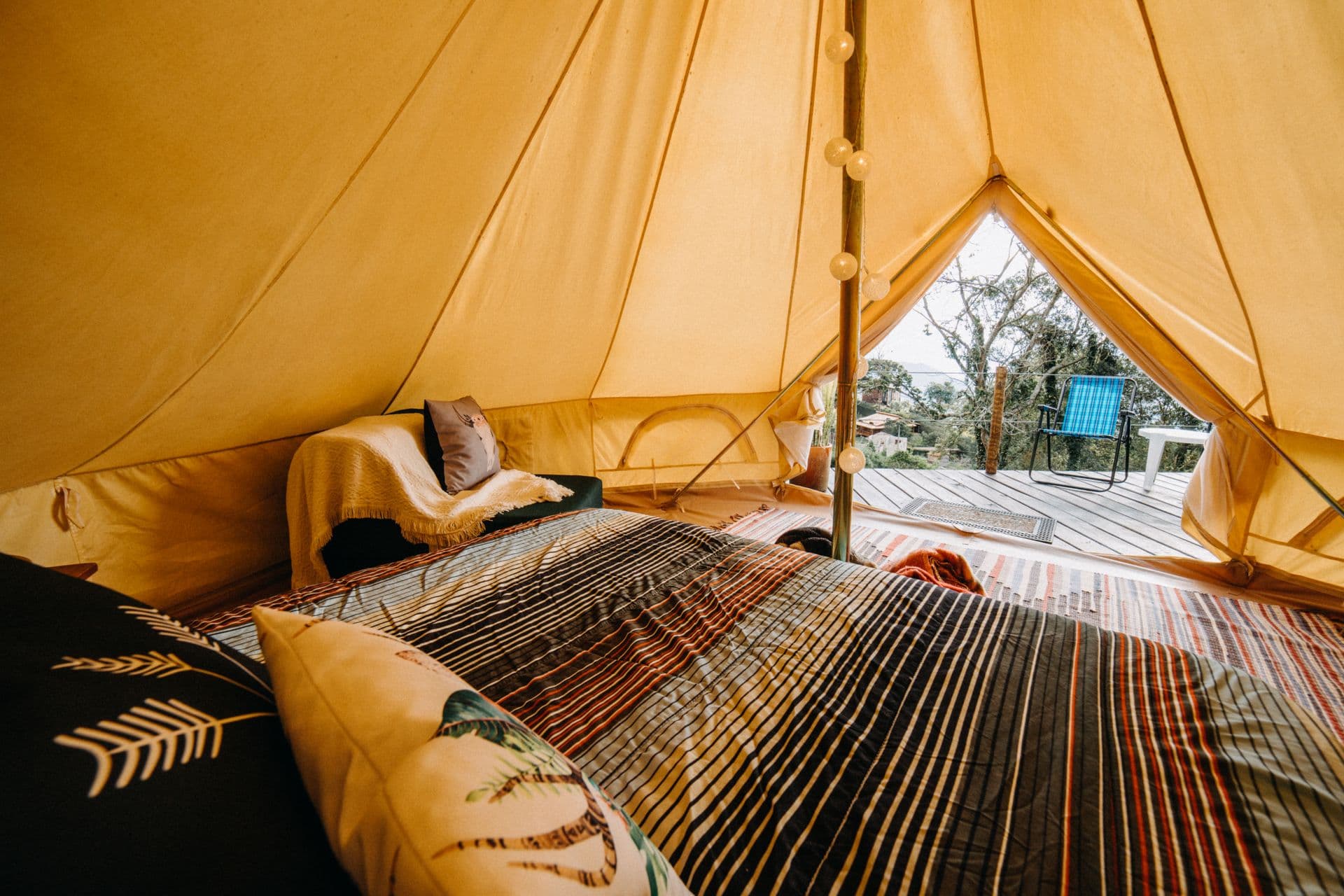
Glamping in Slovenia means a fixed or semi-fixed structure — a safari tent, wooden pod, treehouse or cabin — with a real bed and (usually) a private or nearby bathroom, not a tent you pitch yourself. If you want the one property with the strongest reputation, it’s Glamping Kolpa Resort in Bela Krajina, the single Slovenian site to make a Europe-wide “most beautiful glampsites” roundup. If convenience and easy day trips matter more than bragging rights, the cluster of sites around Lake Bled is the simpler pick.
This guide is part of our Slovenia Travel Tips series, and it goes deep on one specific question: is glamping the right accommodation type for your trip, and if so, which kind and where? For a broader list of the properties themselves, see our Camping & Glamping category page.
That’s a different question from the one our Where to Stay in Slovenia guide answers. That article helps you pick a region to base yourself in — Ljubljana, Bled, the coast, and so on — and only mentions glamping briefly, as one accommodation option among several. This one assumes you’ve already decided glamping is what you want, and walks through the types that actually exist here, the regions that do it well, what it costs, and what you should check before you book.
The short version: Slovenia’s glamping scene is small by European standards but genuinely good, built around rivers, lakes and forest rather than theme-park-style resort complexes. The sections below go region by region and type by type, with honest trade-offs rather than a marketing pitch.
What Counts as Glamping (and What Doesn’t)
The word gets stretched to cover almost anything with a nice photo, so it’s worth being precise. Glamping, in the sense this guide uses it, means a structure that’s already there when you arrive — a safari tent on a wooden platform, a cabin, a pod, a treehouse — rather than a tent you unpack and pitch yourself. Inside, you can expect a real bed rather than a sleeping mat, proper linens, and usually electricity and heating or air conditioning depending on the season.
Bathrooms are the detail that separates one glamping site from another more than anything else. Some units — mostly the higher-end cabins and treehouses — have a private en-suite bathroom built in. Others, more common among safari tents and simpler wooden pods, use a shared bathroom block a short walk away, the same arrangement you’d find at a well-run campsite. Neither is better in the abstract; it’s worth checking which one you’re booking, since listings don’t always make it obvious at a glance.
What glamping in Slovenia is not: it isn’t a hotel room with a fabric wall, and it isn’t ordinary tent camping with a nicer tent. The honest way to think about it is “camping’s setting, with a hotel’s level of comfort” — you still fall asleep to a river or forest outside, but you’re not the one responsible for keeping a tent pole upright.
Types of Glamping You’ll Actually Find in Slovenia
Not every glamping style you’ve seen on Pinterest exists here. The paragraphs below only cover types that are genuinely present at Slovenian properties, based on actual current listings rather than what glamping looks like elsewhere in Europe.
Safari Tents
This is the classic glamping unit, and Slovenia has it in the form most people picture: canvas walls on a fixed wooden platform or frame, a proper bed inside, and often a covered deck out front. Herbal Glamping Resort in Ljubno ob Savinji and the tented units at Glamping Kolpa Resort in Bela Krajina are both built around this format, and it’s also the style used at larger resort-style sites such as Glamping Olimia near Podčetrtek. Expect canvas rather than solid walls, which means they run noticeably cooler in spring and autumn than a wooden cabin — fine in July, less so in a cold April.
Wooden Pods and A-Frame Cabins
A step up in insulation and year-round comfort: small, fully enclosed wooden structures, sometimes a simple rectangular pod, sometimes the increasingly popular triangular A-frame shape. You’ll find A-frame-style pods near Ljubljana and triangular wooden units at sites like Glamping Bizjak in Preddvor. These tend to have proper heating, which makes them the more realistic option outside the June-to-September window.
Treehouses
Slovenia’s treehouse glamping clusters heavily around Lake Bled. Tree House Glamping Ribno and the treehouse units at Garden Village Bled both put you up on stilts or platforms above the ground, usually with a hot tub on a private deck — the single most-photographed version of Slovenian glamping, and priced accordingly. Chateau Ramšak near Maribor also offers a treehouse-style unit in a vineyard setting, so it’s not purely a Bled phenomenon.
Eco-Lodges and Eco-Cabins
The quieter, less Instagrammed end of the spectrum: wooden eco-cabins and lodges built with sustainability as the selling point rather than a hot tub. Glamping Park Idila in Bloke and Slovenia Eco Resort near the Kamnik Alps both fall into this category, as does Eco Camp Korita in the Soča Valley. These tend to be better value than the treehouse-and-hot-tub units, with the trade-off being fewer extras and a simpler aesthetic.
Best Regions for Glamping in Slovenia
Where you glamp matters as much as what you glamp in. Here’s the honest breakdown, region by region.
Bled and Bohinj
This is Slovenia’s glamping centre of gravity, and for good reason — the combination of lake views, mountain backdrop and short drive from Ljubljana makes Bled the easiest region to glamp in without much planning. Garden Village Bled and Tree House Glamping Ribno both sit within a few minutes of the lake, and the area has the highest concentration of treehouse-and-hot-tub units in the country. The catch is price and demand: this is also where glamping books up earliest and costs the most, especially in July and August.
Bohinj, half an hour further into the mountains, has fewer glamping-specific properties but makes a quieter, cheaper alternative base if you’re happy driving a short distance to the more developed Bled sites, or simply want fewer crowds around your accommodation even if it means fewer restaurants nearby.
Soča Valley
The Soča Valley is where glamping meets adventure sports rather than lake-view relaxation. Eco Camp Korita and Camp Koren, both near Kobarid, put you close to the turquoise water itself and to the rafting, kayaking and canyoning operators that are the main reason most people come here in the first place. It’s a working glamping scene rather than a resort one — simpler units, forest-and-river settings, and a genuine sense of being somewhere wilder than Bled. The trade-off is the same one that applies to the whole valley: it’s a three-to-three-and-a-half-hour drive from Ljubljana on the main year-round road, so this is a base for a few nights, not a quick overnight detour.
Kolpa River and Bela Krajina
The Kolpa River region is both the quietest and, by reputation, the most decorated part of Slovenia’s glamping map. Glamping Kolpa Resort in Gradac is the property that’s picked up outside recognition (more on that below), with canvas-and-wood tented units set directly on the riverbank and access to the Kolpa’s famously warm swimming water. Nearby, Camp Podzemelj and Camp Kolpa in Vinica add wooden cottage and glamping-house options along the same stretch of river, so there’s real choice even in this less-visited corner. This whole area suits a slow few days of swimming and canoeing far more than a packed sightseeing itinerary — it’s genuinely out of the way from the rest of the country’s main sights.
Štajerska Wine Country
Slovenia’s Štajerska wine region pairs glamping with vineyard scenery rather than water. Glamping Resort Chateau Ramšak, just outside Maribor, offers glam tents and a treehouse unit scattered through its own vineyard, while Vinska Vas (Wine Village) near Ptuj takes the novelty route with glamping accommodation built into large wooden wine barrels. It’s a good fit if your trip is built around tastings and a quieter second city rather than mountains or beaches, though the region has noticeably fewer glamping properties overall than Bled or the Kolpa.
Dolenjska and the Krka River
This region has historically been the gap in Slovenia’s glamping map, but that’s changing: Glamping Resort Dolenjc, on the outskirts of Novo Mesto, opened in July 2026 with eighteen apartment-style cabins, each named after — and planted beside — a native Slovenian tree species. It sits close to the Krka River area rather than directly on it. Since it’s a genuinely new property as of this writing, expect pricing and reviews to still be settling in — worth checking recent guest feedback before booking rather than relying on the opening announcement alone.
One Slovenian glampsite has made a Europe-wide “most beautiful” list
In March 2023, UK camping-booking platform Pitchup.com published a roundup of the most beautiful glampsites in Europe, and Glamping Kolpa Resort was the single Slovenian property named — picked out for its natural-material construction, riverside setting and swimming lake. The story was picked up by N1 and republished by Slovenia’s official tourism press agency. It’s one data point from one outlet rather than a definitive ranking, but it’s a genuine, traceable recognition rather than marketing copy, which is more than most “best in Europe” claims can say.
Price and What’s Included
As a rough guide, and at the time of writing, Slovenian glamping splits into roughly three tiers. Budget options — simple wooden huts or pods, usually with a shared or basic bathroom and no hot tub — run from around €70 to €100 a night. Mid-range units, typically a safari tent or standard glamping tent with its own bathroom, run from around €120 to €200 a night depending on season. At the top end, treehouses and premium cabins with a private hot tub push toward €230-280 a night in July and August, dropping well below that outside peak summer.
What’s included varies more than the price tier alone suggests. Breakfast is sometimes bundled into the rate and sometimes a paid add-on — it’s worth checking rather than assuming. A private bathroom is standard at the mid-range and up, less guaranteed at the budget end. A hot tub, where offered, is almost always a top-tier feature rather than something thrown in at a lower price point. Nearly every property also adds Slovenia’s nightly tourist tax on top of the headline rate, the same charge covered in our Where to Stay guide.
A side-by-side comparison of the regions above.
| Region | Type | Price level | Best for | Nearest hub |
|---|---|---|---|---|
| Bled & Bohinj | Treehouses, cabins, tents | Mid-to-high | Convenience, lake views, day trips | Bled / Bohinj itself |
| Soča Valley | Eco-cabins, wooden huts | Mid | Rafting, canyoning, serious hiking | ~3-3.5h from Ljubljana |
| Kolpa River / Bela Krajina | Safari tents, wooden cottages | Mid-to-high | Quiet, swimming, an award-recognised resort | ~1.5-2h from Ljubljana |
| Štajerska wine country | Glam tents, treehouse, barrel rooms | Mid | Wine-focused trips, vineyard scenery | ~1h30 from Ljubljana (Maribor/Ptuj) |
| Dolenjska / Krka | Apartment-style cabins | Mid (new, still settling) | A newly opened, low-key option | ~1h from Ljubljana (Novo Mesto) |
A short checklist before you book anywhere on this list.
What exactly counts as glamping in Slovenia?
A fixed or semi-fixed structure you don’t pitch yourself — a safari tent, wooden pod, treehouse or cabin — with a real bed and, usually, a private or nearby shared bathroom. Ordinary tent camping, where you bring and pitch your own tent, isn’t glamping in this sense.
Is glamping more expensive than camping in Slovenia?
Yes, noticeably. A basic pitch for your own tent at a standard campsite typically costs a fraction of even the cheapest glamping unit, which as a rough guide starts around €70-100 a night at the budget end and rises toward €280 for a premium treehouse in peak season.
Which region in Slovenia is best for glamping?
It depends on what you want. Bled and Bohinj are easiest and have the most choice; the Kolpa River area has the property with the strongest outside recognition; the Soča Valley suits an adventure-sports trip; Štajerska suits a wine-focused one.
Do I need a car to reach most glamping sites in Slovenia?
In nearly all cases, yes. Glamping properties tend to sit outside town centres in forest, riverside or vineyard settings, and public transport rarely reaches them directly.
How far in advance should I book glamping in Slovenia?
Several weeks to a few months ahead for July and August, especially around Bled and at well-known properties like Glamping Kolpa Resort. Outside peak summer, demand eases and shorter notice is usually fine.
Is Slovenian glamping actually as good as people say?
By at least one outside measure, yes — Glamping Kolpa Resort was named in a 2023 roundup of the most beautiful glampsites in Europe by UK platform Pitchup.com, reported by N1 and Slovenia’s official tourism press agency. That’s one recognition from one outlet, not a guarantee, but it’s a genuine data point rather than marketing talk.
Can I glamp in Slovenia outside the summer season?
Yes, though choose carefully. Insulated wooden pods and cabins with proper heating handle spring and autumn well; canvas safari tents run noticeably cooler outside the June-to-September window, so they’re a less comfortable pick for a cold-weather trip.
More to read
Fresh from Slovenia Travel Tips
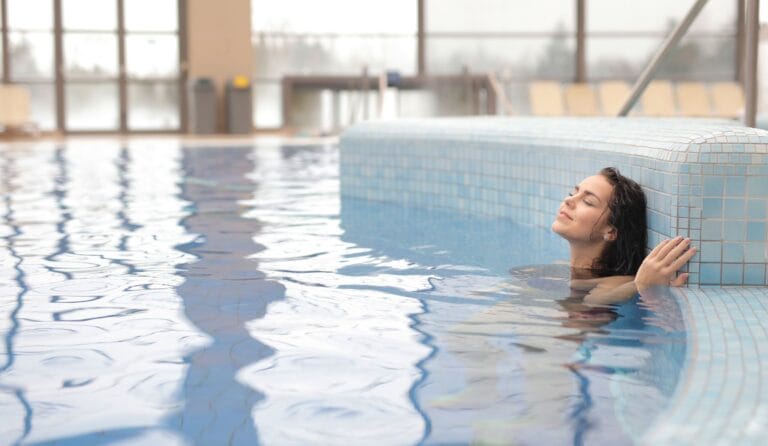
Thermal Spas in Slovenia: The Best Terme for a Winter Visit
Quick answer: Slovenia’s thermal spas (terme) stay open all winter, but what’s actually usable varies a lot by…
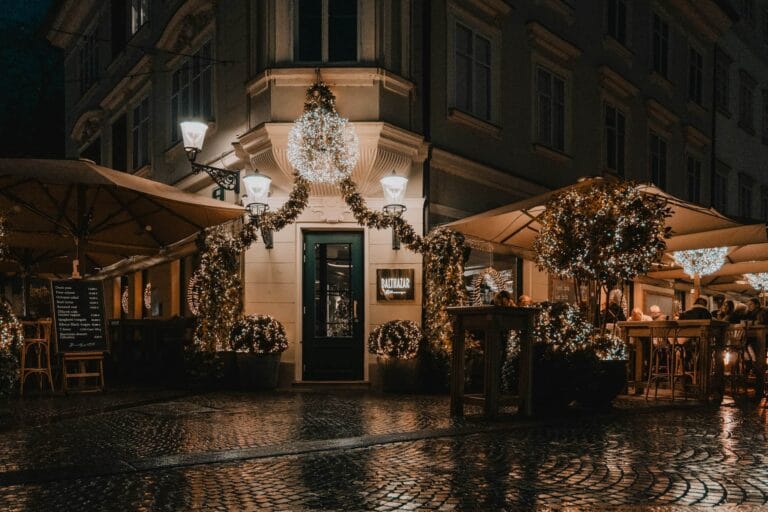
Slovenia Travel in December: Weather, Crowds, Hiking and What to Expect
December is when Slovenia goes fully festive and genuinely cold — lift-served skiing begins at the lower resorts,…
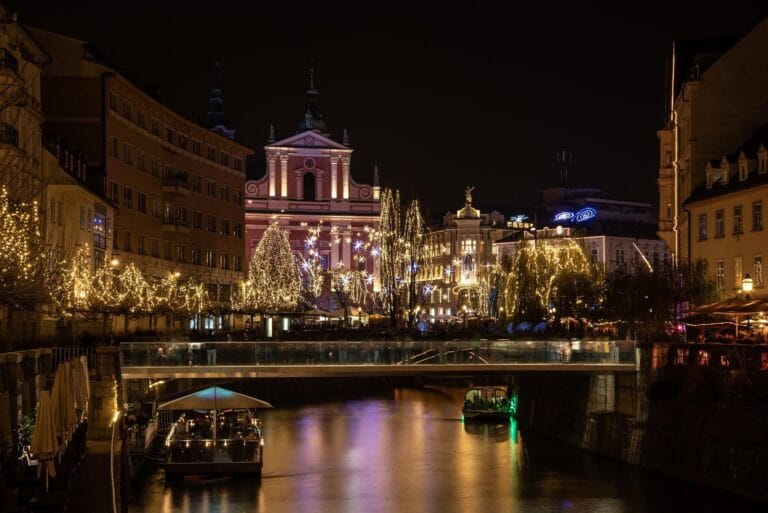
Christmas Markets in Slovenia Beyond Ljubljana: Ptuj, Kranj, Bled, Maribor and Celje
Quick answer: Ljubljana isn’t the only Slovenian city with a festive December program. Ptuj, Kranj, Bled, Maribor and…
More from Slovenia Travel Tips · Camping & Glamping · Where to Stay in Slovenia · Kolpa River · Soča River · Tips in Slovenia

Related guides
Thermal Spas in Slovenia: The Best Terme for a Winter VisitQuick answer: Slovenia’s thermal spas (terme) stay open all winter, but what’s actually usable varies a lot by…Slovenia Travel in December: Weather, Crowds, Hiking and What to ExpectDecember is when Slovenia goes fully festive and genuinely cold — lift-served skiing begins at the lower resorts,…Christmas Markets in Slovenia Beyond Ljubljana: Ptuj, Kranj, Bled, Maribor and CeljeQuick answer: Ljubljana isn’t the only Slovenian city with a festive December program. Ptuj, Kranj, Bled, Maribor and…