Predjama Castle: Slovenia’s Castle Built Into a Cliff, Explained
by Peter · Published Oct 11, 2026 · 7 min read
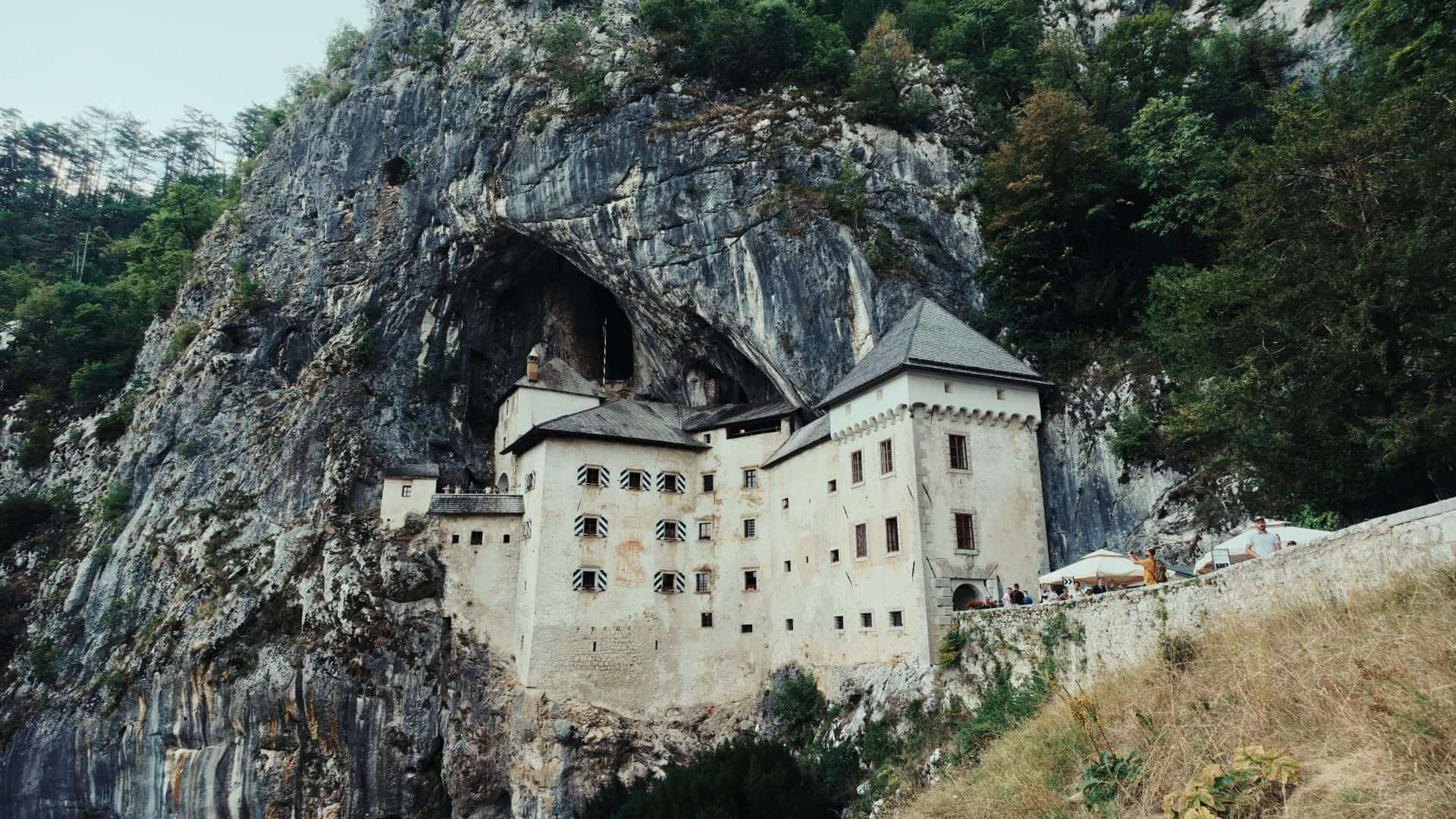
Quick answer: Predjama Castle is the Guinness World Record holder for the largest cave castle on Earth — a Renaissance-era fortress built directly into the mouth of a cliff cave, about 9 km from Postojna Cave, and an easy half-day add-on to a cave visit.
The castle looks like a special effect even in photographs: a five-storey building wedged under a natural rock arch, set into a cliff face roughly 123 metres high. It is part of the same Slovenian caves and karst region as Postojna and Skocjan, and the cave system running behind and above it is the reason the castle’s most famous owner could survive a siege that was supposed to starve him out.
Here is the history, the legend, what the visit is actually like, and how to combine it with Postojna Cave on the same day.
Predjama Castle at a Glance
- First mentioned1274, under the German name Luegg
- Current structure built1570, Renaissance style
- World recordGuinness World Records, largest cave castle
- Castle heightMore than 35 m
- Cliff faceAbout 123 m high
- Floors open to visitorsFive
- From Postojna CaveAbout 9 km
- Managed byPostojnska jama d.d., since 2007
A Short History of Predjama Castle
The site was first recorded in 1274 under its German name, Luegg, when the Patriarchs of Aquileia built a Gothic stronghold on a natural rock arch that could only be approached from one side. The Luegg (later Jamski) family expanded and fortified it over the following two centuries.
Its most famous owner was Erazem Jamski (also called Erazem of Predjama, or Erasmus of Lueg), a local lord who, after killing an Imperial marshal in 1483, took refuge in the castle and sided with the Hungarian king Matthias Corvinus against the Habsburgs. Holy Roman Emperor Frederick III sent Gaspar Ravbar, governor of nearby Trieste, to besiege the castle. Ravbar tried to starve Erazem out, but the cave system running beneath and behind the castle connected to a hidden tunnel, and Erazem kept himself supplied with food through it for the length of the siege.
He was eventually killed after a long siege. A popular legend says a servant betrayed him by signalling to the besiegers, and that he was struck by a single cannon shot while in the castle’s garderobe — serious historical sources, including the castle’s own research, treat this specific detail as unconfirmed legend rather than established fact, so it’s worth repeating with that caveat rather than as settled history. He is traditionally said to be buried beneath a linden tree in front of the castle.
The Habsburgs damaged the castle after Erazem’s death, and the Purgstall family’s early-16th-century rebuild was then destroyed by an earthquake in 1511. The castle standing today dates from 1570, when the Kobencl (Cobenzl) family built a new Renaissance structure against the cliff — the year Guinness World Records uses to date the current building. It passed to the Windischgrätz family in 1846, was nationalised in 1945, and has been a museum ever since.
What the Visit Is Actually Like
A castle ticket gets you a self-guided tour through a mobile app (included in the price) across the building’s five floors. The Knight’s Room holds the largest collection of exhibits, the dining room is furnished for the late Gothic period, and the third-floor Renaissance hall displays hunting trophies from the castle’s last private owners. An audio guide can also be rented at the ticket office for a small extra fee if you’d rather not use your phone.
Between roughly June and September, you can add a separate guided tour of the cave beneath the castle — about 700 m on an easy trail, lit by handheld flashlights, taking around 45 minutes and suitable for children from about six years old. Part of this cave system is visible on the castle tour itself; the rest is only reached on this dedicated underground route.
When to Go
This is a judgement call rather than a measured fact: the castle is open year-round, but the cave beneath it is a summer-season extra, so if that’s the part you actually want, visiting outside roughly June to September defeats the point. Pairing Predjama with Postojna Cave on the same day works well logistically, since they’re only about 9 km apart — book the cave slot first, since it’s time-fixed, then fit the castle around it. Expect shorter opening hours and the cave-under-the-castle tour unavailable outside the main season.
Planning Your Visit
| Detail | What to expect | Notes |
|---|---|---|
| Castle-only ticket | Around €24 adult, lower for students and children | Prices change — check current rates before booking |
| Combined with Postojna Cave | Around €50 adult | Cheaper than buying both separately |
| Cave beneath the castle | About 45 minutes, roughly 700 m | Separate ticket, June to September only |
| Self-guided castle tour | About 45 minutes to an hour | Via a mobile app, included in the ticket |
| From Postojna | About 9 km, under 15 minutes by car | No reliable public transport — a seasonal local bus sometimes runs in summer |
| From Ljubljana | About 64 km, roughly an hour by car | Via the A1 motorway and Postojna |
| Parking | Paid, on site | A few euros per hour |
Partner link — booking through this link supports Tips in Slovenia at no extra cost to you.
Compare rental car prices for SloveniaLook closer
Three Things to Know
Nearby: Postojna Cave
About 9 km away, Slovenia’s best-known show cave — the first stretch is covered by a train that’s been running since 1872.
Getting There and What Else Is Nearby
Predjama is about 64 km from Ljubljana, roughly an hour by car via the A1 motorway and Postojna. There’s no reliable public transport directly to the castle — a seasonal local bus or shuttle sometimes runs from Postojna town in summer, but outside that window a car is by far the simplest way to get here, and parking on site is paid.
Postojna Cave is barely 9 km away, close enough to combine both in a single half-day trip. Further into the karst, Skocjan Caves and the smaller Vilenica and Krizna caves round out the region, all covered in our overview of Slovenian caves and karst.
More Ways to Experience Predjama Castle
Partner content — the widget below is provided by Viator, one of our booking partners. Browsing or booking through it supports Tips in Slovenia at no extra cost to you.
Frequently Asked Questions
Is Predjama Castle really the largest cave castle in the world?
Yes, according to Guinness World Records, which lists it as the largest castle ever built into the entrance of a cave — more than 35 metres tall, set into a cliff face around 123 metres high.
How long does a visit to Predjama Castle take?
The self-guided castle tour runs about 45 minutes to an hour. Add the separate cave tour beneath the castle, available roughly June to September, and budget closer to two hours in total.
Did Erazem of Predjama really die on the toilet?
That’s the popular version of the story — betrayed by a servant and killed by a cannon shot while in the castle’s garderobe — but historians treat this specific detail as unconfirmed legend. What’s documented is that he died after a long siege by Imperial forces.
Can you combine Predjama Castle with Postojna Cave in one day?
Yes, easily — they’re about 9 km apart. A combined ticket covering both is cheaper than buying them separately, and the usual approach is to book the cave’s fixed time slot first and fit the castle around it.
Do I need a car to visit Predjama Castle?
It’s strongly recommended. There’s no reliable year-round public transport to the castle; a seasonal local bus or shuttle sometimes runs from Postojna in summer, but outside that window driving is by far the simplest option.
Is the cave beneath Predjama Castle open all year?
No. The castle itself is open year-round, but the guided tour of the cave system beneath it is a summer-season offering, roughly June through September.
More on Slovenia’s karst: read the Postojna Cave guide, browse every guide in Slovenian caves and karst, or start planning the wider trip at Tips in Slovenia.

Peter
Writes destination guides for Tips in Slovenia, covering the country's cities, hidden gems and day trips.
Related guides
 Slovenia Travel Tips · 9 Nov 2026Thermal Spas in Slovenia: The Best Terme for a Winter VisitQuick answer: Slovenia’s thermal spas (terme) stay open all winter, but what’s actually usable varies a lot by…
 Slovenia Travel Tips · 6 Nov 2026Slovenia Travel in December: Weather, Crowds, Hiking and What to ExpectDecember is when Slovenia goes fully festive and genuinely cold — lift-served skiing begins at the lower resorts,…
 Slovenia Travel Tips · 4 Nov 2026Christmas Markets in Slovenia Beyond Ljubljana: Ptuj, Kranj, Bled, Maribor and CeljeQuick answer: Ljubljana isn’t the only Slovenian city with a festive December program. Ptuj, Kranj, Bled, Maribor and…
Newsletter
Don't miss anything new
One new Slovenia guide in your inbox every couple of weeks. No spam, unsubscribe any time.