Most first-time visitors to Slovenia don’t run into trouble because the country is hard to visit — they run into trouble because they plan for a different country. Slovenia is small, but mountain roads and a light public transport network mean distances take longer than they look on a map, tipping and cash work differently than in the US, and a “free” walking tour isn’t free. None of these 15 things are dealbreakers once you know about them; they’re just the small mismatches between expectation and reality that catch almost everyone at least once.
This is a roundup, not a deep dive — several of these points already have a full guide in our Slovenia Travel Tips series, and we link to those wherever one exists rather than repeating the whole explanation here. Below is the quick version of all 15, then the reasoning behind each one, grouped into five themes.
The 15 Things, at a Glance
If you only have a minute, this is the list. The rest of the article explains the reasoning behind each line.
Planning & Distances
Get the pace of the trip wrong and everything downstream suffers. These three come up before you’ve even landed.
Misjudging distances and drive times
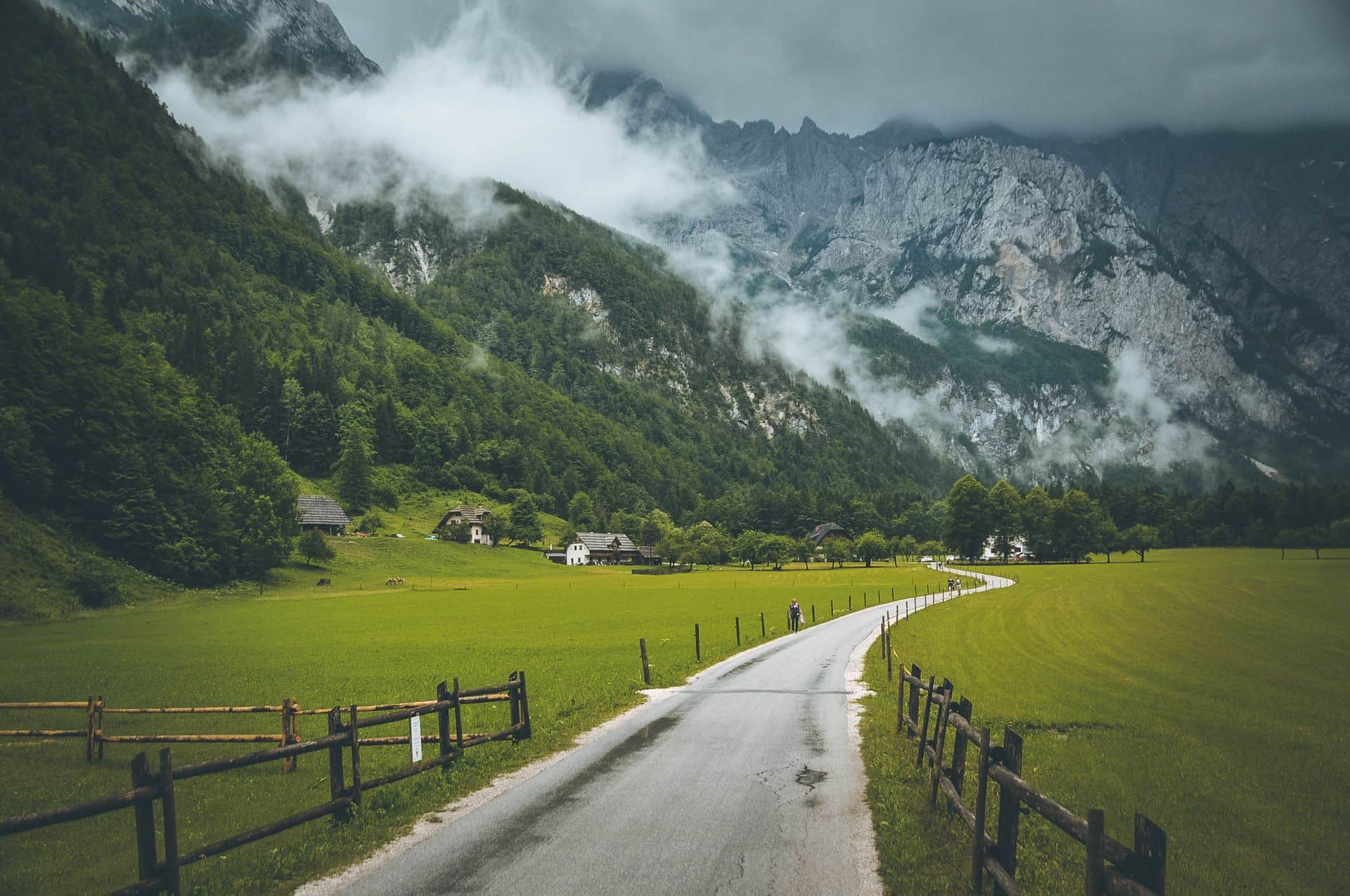
Slovenia is small enough that everything looks close together on a map — the whole country is a few hours across by car. But “close on the map” and “quick to drive” aren’t the same thing here: mountain roads wind through valleys instead of cutting straight lines, and a route that measures 60 km on a map can genuinely take well over an hour once you factor in the terrain. Locals build this into their own plans automatically; visitors comparing it to a flat highway back home usually don’t, and end up running late for the rest of the day.
Our Driving in Slovenia guide covers what actually changes the drive time — road type, elevation, the season — rather than just the straight-line distance, so you can sanity-check a route before you commit a whole day to it.
Trying to see too much, too fast
Ljubljana, Bled, Bohinj, Piran and Postojna Cave are all genuinely close together by Slovenian standards — but close on a map isn’t the same as quick to actually visit. Each of them rewards a few unhurried hours: a walk around Bled’s lake, time to actually explore Ljubljana’s old town rather than just photograph it from a bridge, or the extra half-hour it takes to properly see Postojna Cave once you’ve queued for the train inside.
Squeezing all five into two days means arriving, taking a photo and leaving before any of them get the chance to make an impression — and it’s the single most common regret we hear about from first-time visitors after the fact. Pick two or three highlights per day at most, and treat the rest as a reason to come back.
If you fix only one thing on this list, fix your pace
Nearly every other item here compounds an overpacked schedule: a longer-than-expected drive eats into the next stop, a delayed bus means a missed connection, an underestimated mountain trail runs into the evening. Building in slack — fewer stops per day, and a buffer between them — is the one change that quietly prevents most of the other 14 things on this list from becoming actual problems on the day.
Assuming public transport runs as often as at home
Buses and trains between the bigger cities run reasonably often, but anything to smaller towns — and almost anything on a weekend — runs far less frequently than visitors from cities with dense transit networks expect. A connection that looks fine on a Tuesday timetable can simply not exist on a Sunday, which catches out travelers who assume they can wing it and check the schedule the same morning.
If you’re planning to go car-free, 7 Days in Slovenia Without a Car lays out what’s realistic and what isn’t, and which routes actually work well without a rental.
Getting Around
Once you’re moving, a handful of local systems work differently enough from what tourists expect that they’re worth knowing before you’re standing in front of one, keys or ticket in hand.
Not knowing about the e-vignette
Any car on a Slovenian motorway or expressway needs a valid e-vignette, and it’s tied to the vehicle’s number plate rather than a physical sticker on the windshield the way it works in some neighboring countries — there’s nothing to display, only a record that has to exist before you drive. Ordinary roads and mountain passes don’t need one at all, which is part of why visitors sometimes assume the whole country works that way and get caught out the first time they join a motorway.
Full details, including current prices and how to buy one before you cross the border, are in Driving in Slovenia.
Partner link — booking through this link supports Tips in Slovenia at no extra cost to you.
Compare rental car prices for Slovenia
Assuming parking works the same everywhere
Coin meters, parking apps and numbered zones all coexist in Slovenia depending on the town, and free street parking in a tourist destination is genuinely rare — an empty-looking space in the middle of Bled or Ljubljana almost always has a rule attached to it. Have coins or the relevant app ready before you arrive rather than assuming you’ll figure it out on the spot; a parking fine is a small thing, but it’s an annoying way to start a day.
Not realizing old towns are closed to cars
Piran’s old town is entirely closed to traffic — you park at the edge, at one of the designated lots, and walk in from there — and Ljubljana’s historic centre has been substantially car-free for well over a decade, with only limited exceptions for residents and deliveries. Don’t plan on driving to your accommodation door in either: check in advance where the nearest parking actually is, and expect a short walk with your luggage as part of the arrival.
Nature & Mountains
Slovenia’s mountains are genuinely accessible, which is exactly what leads people to underestimate them.
Underestimating what a mountain walk means here
Even popular, well-marked trails in the Julian Alps and Kamnik-Savinja Alps usually mean uneven, rocky ground underfoot and real elevation gain, not a flat, paved path through scenery. Trainers and a bottle of water are fine for a short valley walk, but proper hiking footwear and layers aren’t optional once a route climbs into the mountains proper, whatever the trail’s reputation as a “must-see” suggests about how easy it is.
Our Slovenian Mountains guides go into what specific routes actually involve — distance, elevation gain and how technical the terrain gets — so you can match the trail to what you’re actually prepared for.
Expecting mountain huts to take cards
Mountain huts (koče) run mostly on cash for food, drinks and a bed, even if you booked your stay online with a card — the card machine, where one exists at all, is often unreliable at altitude, and many huts simply don’t have one. The popular huts also fill up in high season without a reservation, so cash and a booking made in advance both matter more here than they would at a valley hotel.
Do You Need Cash in Slovenia? covers exactly where cash still matters across the whole country, huts included.
Not taking mountain weather seriously in summer
Conditions above the treeline can change fast, even in July and August, and a clear, warm morning in the valley is no guarantee of a clear afternoon higher up — cloud, wind and sudden temperature drops are a normal part of a Slovenian mountain summer, not a rare event. Check the forecast for the specific altitude you’re heading to, not just the valley town at the trailhead, and be willing to turn back if conditions clearly worsen; the trail will still be there another day.
Money & Etiquette
These three come up constantly in visitor forums, and they’re closely related — get the mental model right and all three sort themselves out together.
Thinking a free walking tour is actually free
The tour itself has no ticket price, which is exactly what the name promises — but the guide typically isn’t on a salary from the company running it. A tip at the end is how they’re actually paid, which makes it functionally different from a genuinely optional tip on a paid tour: skipping it isn’t a faux pas, but it does mean the guide worked the last two hours for nothing.
Our Tipping in Slovenia guide covers this alongside every other tipping situation you’ll run into, from restaurants to taxis.
Assuming tipping isn’t expected at all
Slovenian service staff are paid a normal wage, so tipping is genuinely optional and not a hidden obligation the way it can feel in the US — nobody is subsidizing their income through tips. But rounding up the bill for good service is the common local habit: a €18.70 bill becomes a €20 note handed over, not a calculated 18%. Treat the American percentage-tip instinct as something to leave at home, not something to apply quietly out of habit.
Not carrying any cash
Cards cover most restaurants, hotels and shops without any trouble, which is part of why visitors sometimes assume they can go the whole trip without cash. But markets, small rural gostilne, mountain huts and some regional buses still lean on cash, and a card-only traveler can genuinely get stuck at any of them. Small bills and a handful of coins go a long way — there’s no need to carry much, just enough to not be caught out.
Culture & Practical Surprises
The last five are the ones nobody thinks to look up in advance, because they don’t feel like “travel information” until they catch you out.
Not knowing about the Sunday shopping ban
Since 2020, most larger shops and shopping centres in Slovenia close on Sundays by law — this isn’t a regional quirk or an old tradition fading out, it’s a nationwide rule that’s still in effect. Small independent shops under 200 square metres, bakeries and petrol-station stores are the common exceptions, and they genuinely do stay open, so a coffee, bread or a few groceries are rarely a problem. A big Sunday grocery run at a supermarket, though, is exactly the kind of thing this rule quietly ruins for visitors who didn’t know to plan around it.
Assuming sights keep the same hours as at home
Many smaller museums and sights close in the mid-to-late afternoon rather than staying open into the evening, and some rural or mountain attractions run shorter hours — or close entirely — outside the summer season. This is a genuinely different rhythm from the extended evening hours common at major sights in bigger tourist countries, and it’s easy to assume it doesn’t apply because the place looks lively and well-visited. Check the specific opening hours for anything you’re planning your day around, rather than assuming it matches what you’re used to.
Underestimating summer crowds
Bled, Piran and Postojna Cave get genuinely busy in July and August — parking fills up, popular viewpoints get crowded, and the relaxed, quiet version of these places you’ve seen in photos is mostly a shoulder-season or early-morning thing. None of it makes the destinations less worth visiting, but it does mean arriving early or adjusting expectations for the peak of summer. If your dates are flexible, Slovenia in September makes the case for shifting your trip to shoulder season instead.
Partner link — booking through Tiqets supports Tips in Slovenia at no extra cost to you.
Book Bled & Postojna Cave tickets on Tiqets
Quick Reference
The fast version of everything above, for a last check before you leave.
| Question | Short answer |
|---|---|
| Do I need a car to see Slovenia? | No, but a car reaches places public transport barely touches. |
| Is tipping expected? | Not mandatory — rounding up for good service is the local habit. |
| Do I need to carry cash? | Yes, for markets, mountain huts and small rural places. |
| Are shops open on Sundays? | Mostly not — small shops, bakeries and petrol stations are the exceptions. |
| Is driving in Slovenia difficult? | No, most routes are straightforward once you have the e-vignette sorted. |
| What’s the emergency number? | 112. |
| When are the biggest crowds? | July and August, especially at Bled, Piran and Postojna Cave. |
Before You Go
One last pass through the mindset shift, more than a packing list.
Frequently Asked Questions
Is Slovenia easy for first-time visitors?
Yes, generally. Almost every mistake on this list comes from misjudging distances or pace, not from any real difficulty with language, infrastructure or safety.
Do I need a car in Slovenia?
Not strictly, though it opens up places public transport barely reaches. See 7 Days in Slovenia Without a Car and Driving in Slovenia for both sides of that decision.
Is tipping expected in Slovenia?
It’s optional rather than expected, since staff are paid a normal wage, but rounding up the bill for good service is common local practice. The full breakdown by situation is in our Tipping in Slovenia guide.
Are shops closed on Sundays in Slovenia?
Most larger shops and shopping centres are, under a law in place since 2020. Small independent shops, bakeries and petrol-station stores are common exceptions.
How many days do I need in Slovenia?
A week is a comfortable pace for the classic highlights given the actual drive times involved. Fewer days is entirely possible, it just means choosing between destinations rather than fitting all of them in.
What’s the single biggest mistake first-time visitors make?
Trying to see too much in too little time. Slovenia’s sights are close together on a map, but mountain roads and a relaxed pace of life mean the country rewards fewer stops, not more.
More Ways to Experience Slovenia
Partner content — these bookable experiences (Ljubljana, Bled and Postojna Cave) are provided through our partner Viator. Booking through these links supports Tips in Slovenia at no extra cost to you.
More to read
Fresh from Slovenia Travel Tips
Thermal Spas in Slovenia: The Best Terme for a Winter Visit
Quick answer: Slovenia’s thermal spas (terme) stay open all winter, but what’s actually usable varies a lot by…
Slovenia Travel in December: Weather, Crowds, Hiking and What to Expect
December is when Slovenia goes fully festive and genuinely cold — lift-served skiing begins at the lower resorts,…
Christmas Markets in Slovenia Beyond Ljubljana: Ptuj, Kranj, Bled, Maribor and Celje
Quick answer: Ljubljana isn’t the only Slovenian city with a festive December program. Ptuj, Kranj, Bled, Maribor and…
More from Slovenia Travel Tips: the practical detail behind these points lives in Driving in Slovenia, 7 Days in Slovenia Without a Car, Tipping in Slovenia, Do You Need Cash in Slovenia? and Slovenia in September.
Planning where to go: Ljubljana · Bled · Piran · see the whole Destinations section, or start at Tips in Slovenia.

Related guides
Thermal Spas in Slovenia: The Best Terme for a Winter VisitQuick answer: Slovenia’s thermal spas (terme) stay open all winter, but what’s actually usable varies a lot by…Slovenia Travel in December: Weather, Crowds, Hiking and What to ExpectDecember is when Slovenia goes fully festive and genuinely cold — lift-served skiing begins at the lower resorts,…Christmas Markets in Slovenia Beyond Ljubljana: Ptuj, Kranj, Bled, Maribor and CeljeQuick answer: Ljubljana isn’t the only Slovenian city with a festive December program. Ptuj, Kranj, Bled, Maribor and…